Conceptual Paper
Develops or revises a concept, model or theoretical framework to clarify a problem, explain a pattern or guide further inquiry.
Researchers may agree on what they observe and still describe it in ways that lead to different conclusions. An established term may group together processes that need to be distinguished. A set of findings may point to a relationship that existing models leave unexplained. In such cases, developing the right concept can change which questions researchers ask, which evidence they seek and how they interpret what they find.
Conceptual Papers provide a space for this work. They begin with a clearly defined problem and develop a concept, model or framework in response. The proposed account may arise within one of Interstitium’s inquiry areas or address a question from another field.
Purpose
The central contribution of a Conceptual Paper lies in the proposed concept, model or framework itself. The paper explains why it is needed, how it relates to existing scholarship and what becomes possible once it is applied. This may involve drawing a distinction with practical consequences, bringing several observations into a coherent account or identifying relationships that can guide further research.
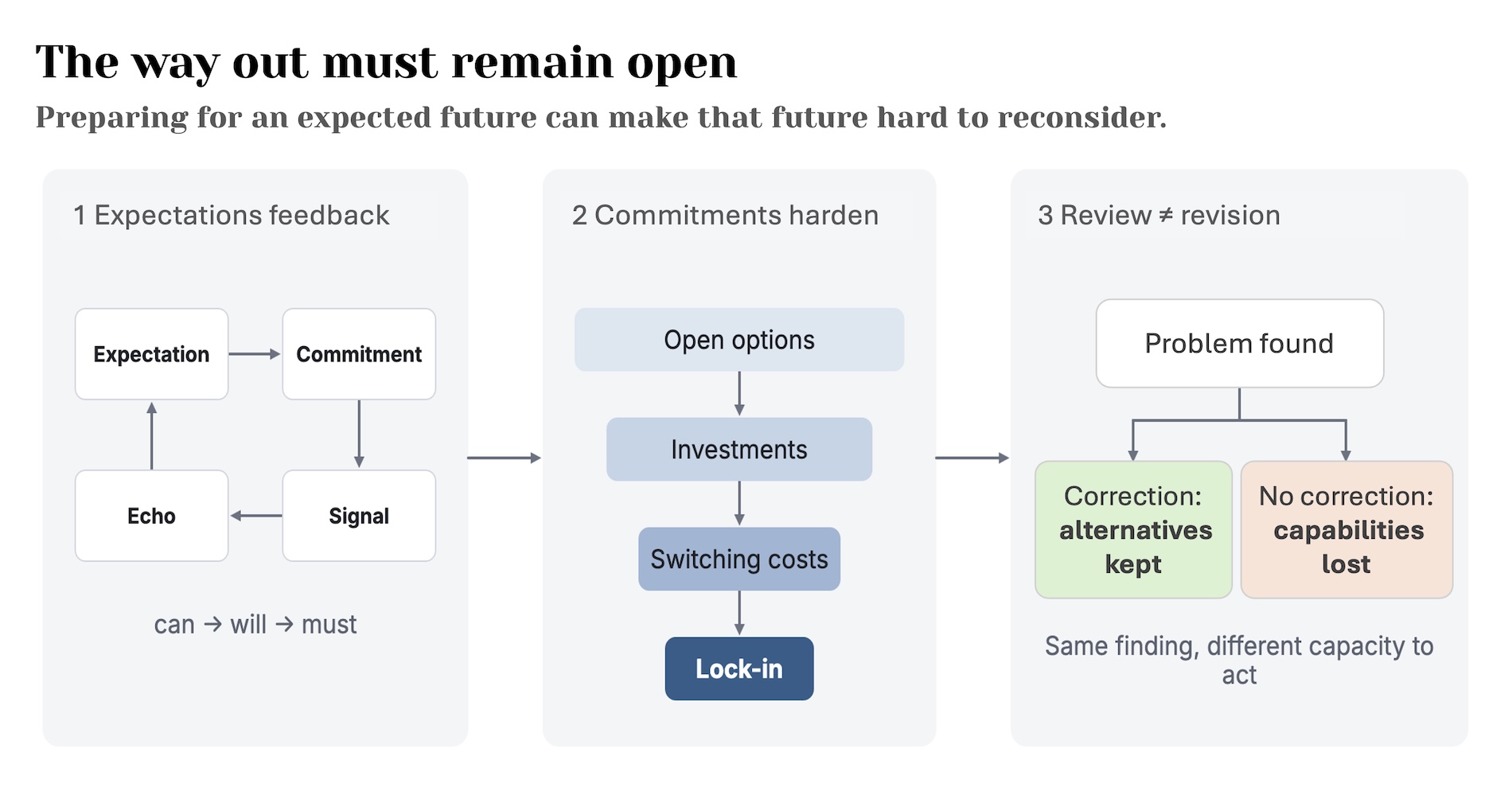
A paper on technological adoption, for example, might distinguish between expectations about future use and the commitments institutions make on the strength of those expectations. That distinction could help explain when preparing for a possible future begins to restrict the choices available later. In another field, a paper might develop a framework for comparing how the preparation of plant extracts influences their chemical composition and biological activity. Such a framework could help researchers decide which aspects of preparation to control or report when comparing results.
What We Publish
Conceptual papers may include:
- proposals for new concepts that address a clearly identified problem;
- revisions of established concepts or distinctions whose meaning varies across contexts;
- models that specify how processes, factors or levels of explanation relate to one another;
- frameworks for comparing cases, interpreting evidence or guiding decisions;
- extensions of existing theories to problems that expose gaps in their explanatory scope;
- theoretical proposals that generate hypotheses or suggest new lines of inquiry.
Contributions may be exploratory, but they must remain intellectually disciplined. Authors should distinguish clearly between established findings, reasoned interpretation, working hypotheses and more speculative possibilities. The breadth of an argument does not reduce the need for evidential precision.
Developing the Proposal
Authors should define the central terms and explain how the proposal relates to the closest existing accounts. For a new concept, this means showing which cases it covers and where its boundaries lie. For a model or framework, it means identifying its main components and explaining how they relate.
Examples, case studies and counterexamples can show how a proposal works and where it needs refinement. Where a proposal has empirical implications, authors should indicate what observations would support it and what findings would call it into question. Where it guides a judgement or decision, they should make the underlying criteria explicit and explain why those criteria are appropriate.
Editorial Assessment
Editorial assessment considers the significance of the problem, the clarity and originality of the proposal, its engagement with relevant scholarship and the quality of the reasoning used to develop it. Particular attention is paid to whether the paper demonstrates what its proposal adds and establishes the conditions under which it can be applied.
For Authors
State the problem and the proposed contribution early in the manuscript. Give readers enough detail to understand how the concept, model or framework works and to assess its use in a concrete case. The conclusion should identify the questions or practical consequences that follow from the proposal and any issues that remain open
Detailed requirements concerning manuscript structure, references, figures, disclosures and editorial assessment are provided in the Author Guidelines.
Conceptual Papers
Explore Scientific Essays published by Interstitium.
-
Preparing for a technological future can make that future harder to reconsider. When applicants, employers and universities adapt to what they expect others will soon require, each decision may be reasonable. Together, however, they can create dependencies that leave later, better-grounded judgement without practical effect. This paper examines that mechanism, collective anticipatory self-binding, through hypothetical…