
Interstitium Notes
-
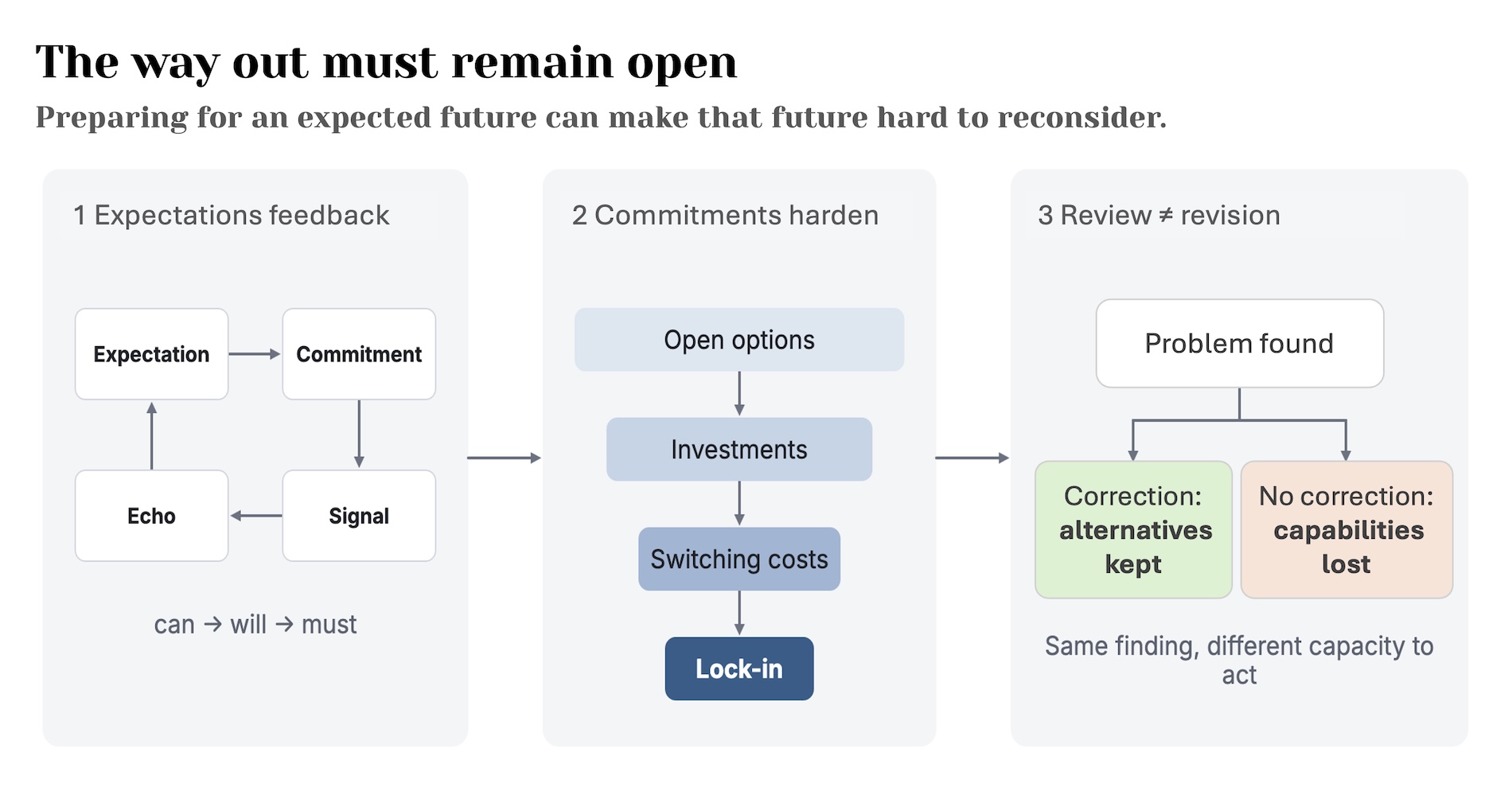
The Way Out Must Remain Open
CONCEPTUAL PAPER On Technological Self-Binding and the Freedom to Revise Decisions “There is no way around artificial intelligence.” Is this a prediction—or a claim that helps make itself true? People learn new skills, employers change requirements and universities reshape courses in anticipation of what others will demand. Each decision may be reasonable. Together, however, they can create dependencies that make…
-
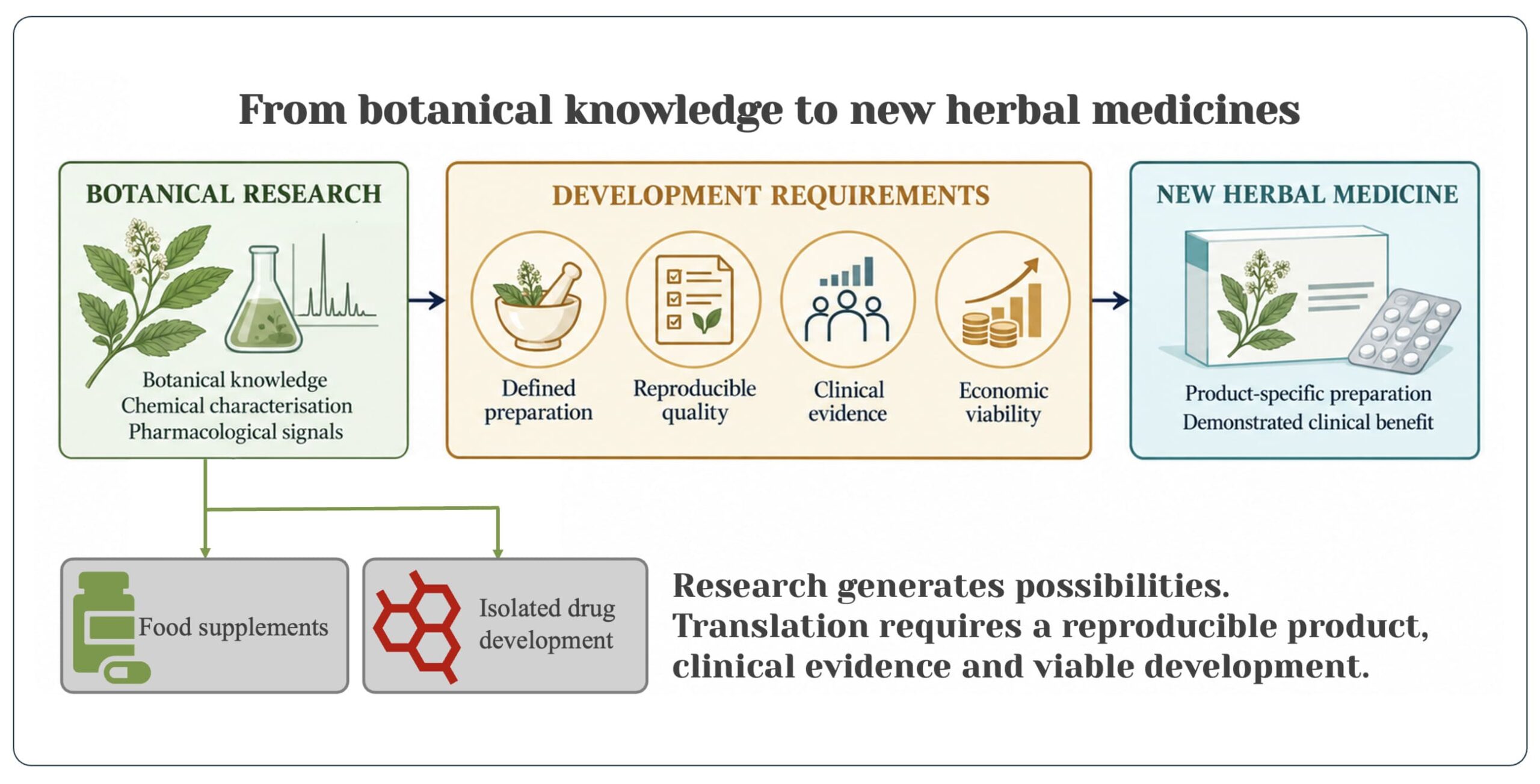
More Herbal Products, Less Herbal Medicine?
SCIENTIFIC ESSAY Why Europe’s phytopharmaceutical industry continues to conduct research yet struggles to turn it into new herbal medicinal products – and the opportunity that lies in this bottleneck A shelf full of herbal products can look like medical progress. But a new brand, package or capsule does not necessarily represent a new treatment. This Scientific Essay asks what stands…
-
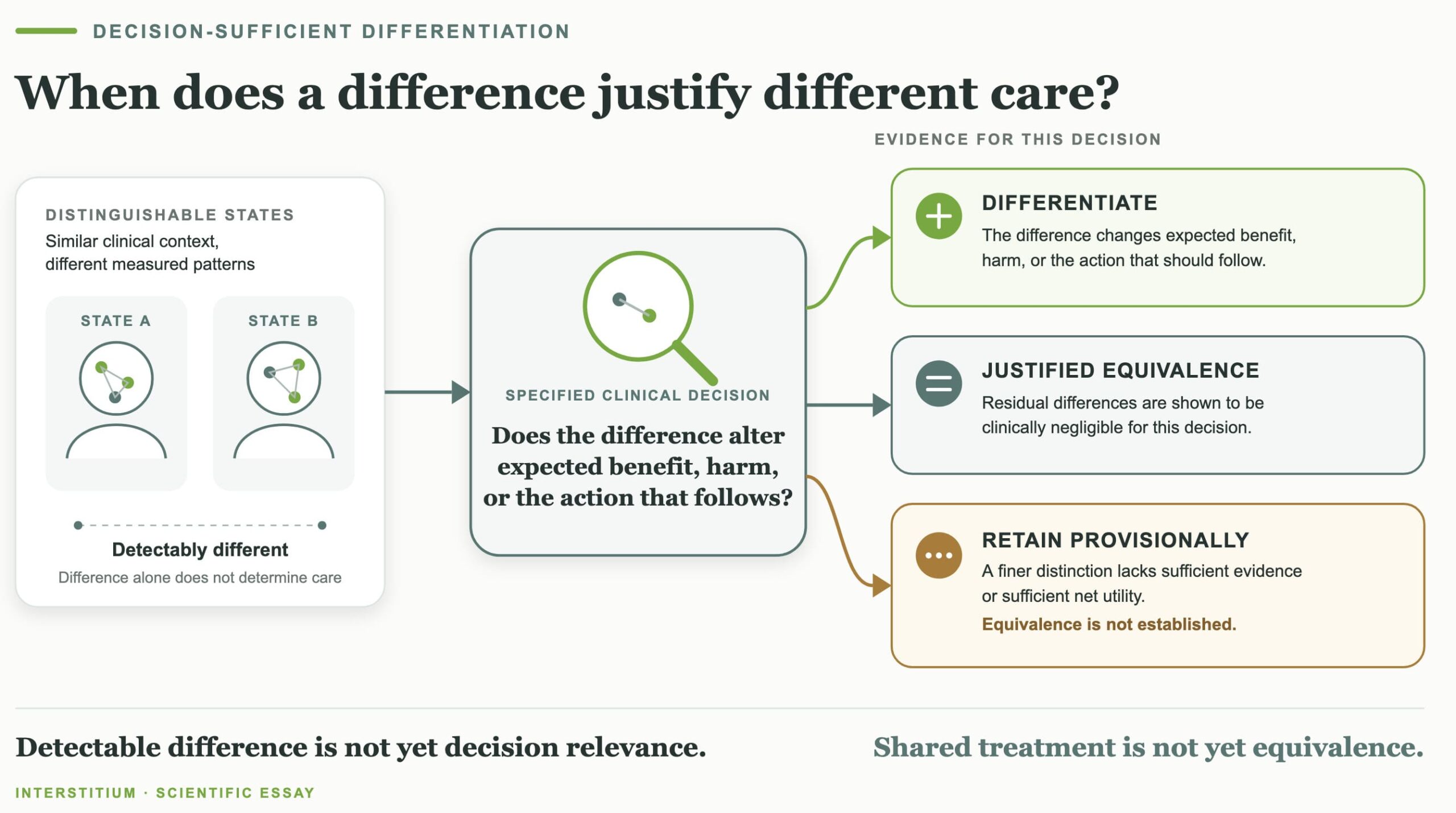
When May Medicine Treat Distinguishable States as Equivalent?
SCIENTIFIC ESSAY Toward Decision-Sufficient Differentiation in Precision Medicine Modern medicine can identify ever finer differences between patients, diseases and treatments. Yet not every detectable difference calls for different care. This Scientific Essay asks when medicine may reasonably treat distinguishable states as equivalent—and when doing so obscures differences that affect expected benefit, risk of harm or access to care. Drawing on…
-
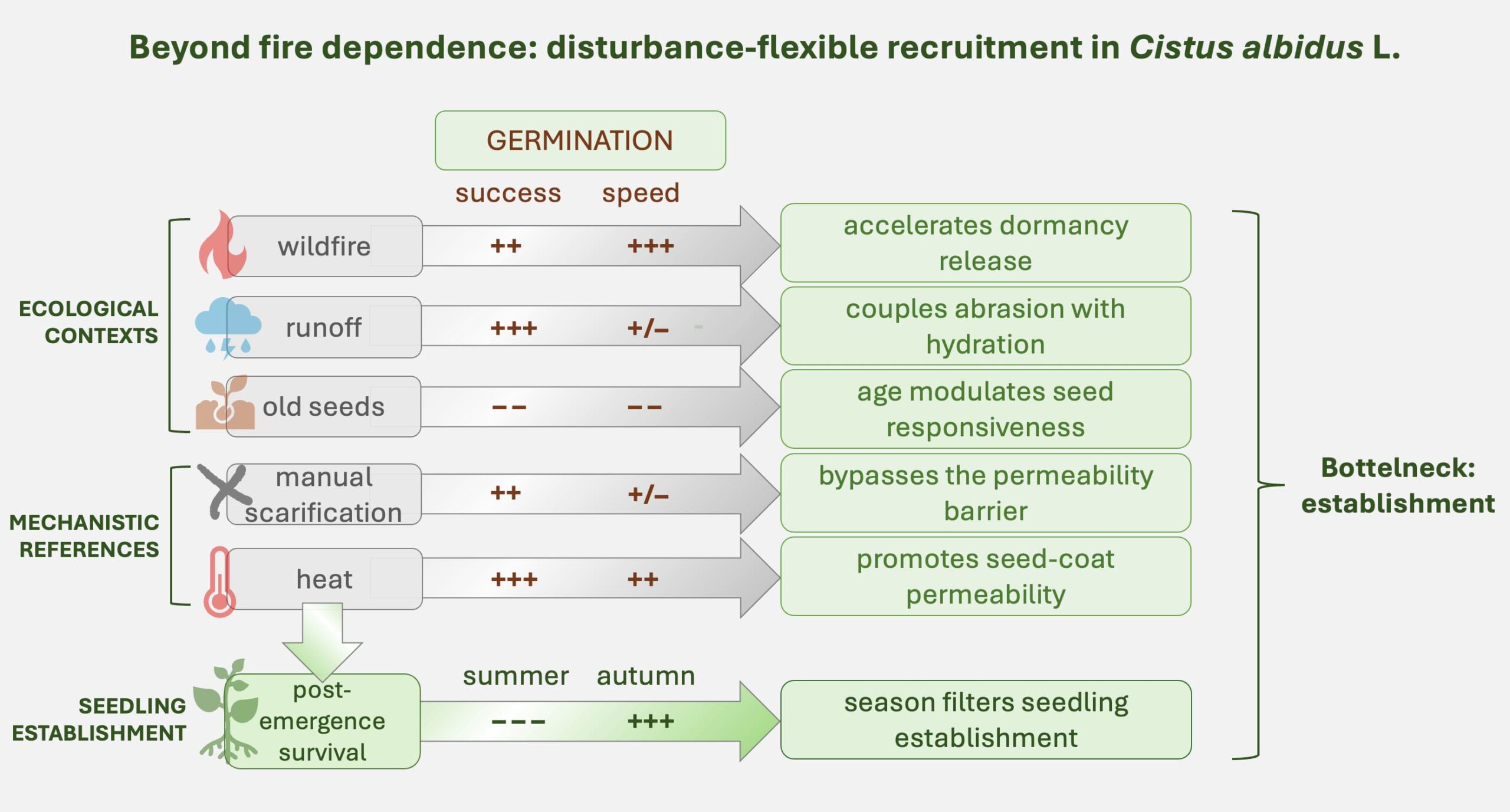
A Mediterranean Shrub Long Linked to Fire May Also Be Shaped by Runoff
RESEARCH COMMENTARY Cistus albidus L., a widespread shrub of the western Mediterranean, is commonly understood through its relationship with fire. Heat can break the physical dormancy imposed by its hard seed coat. Experimental work now shows that sediment-laden runoff may produce germination in the same range as heat-related treatments. Water carrying gravel and sediment can abrade the seed coat, providing…
-
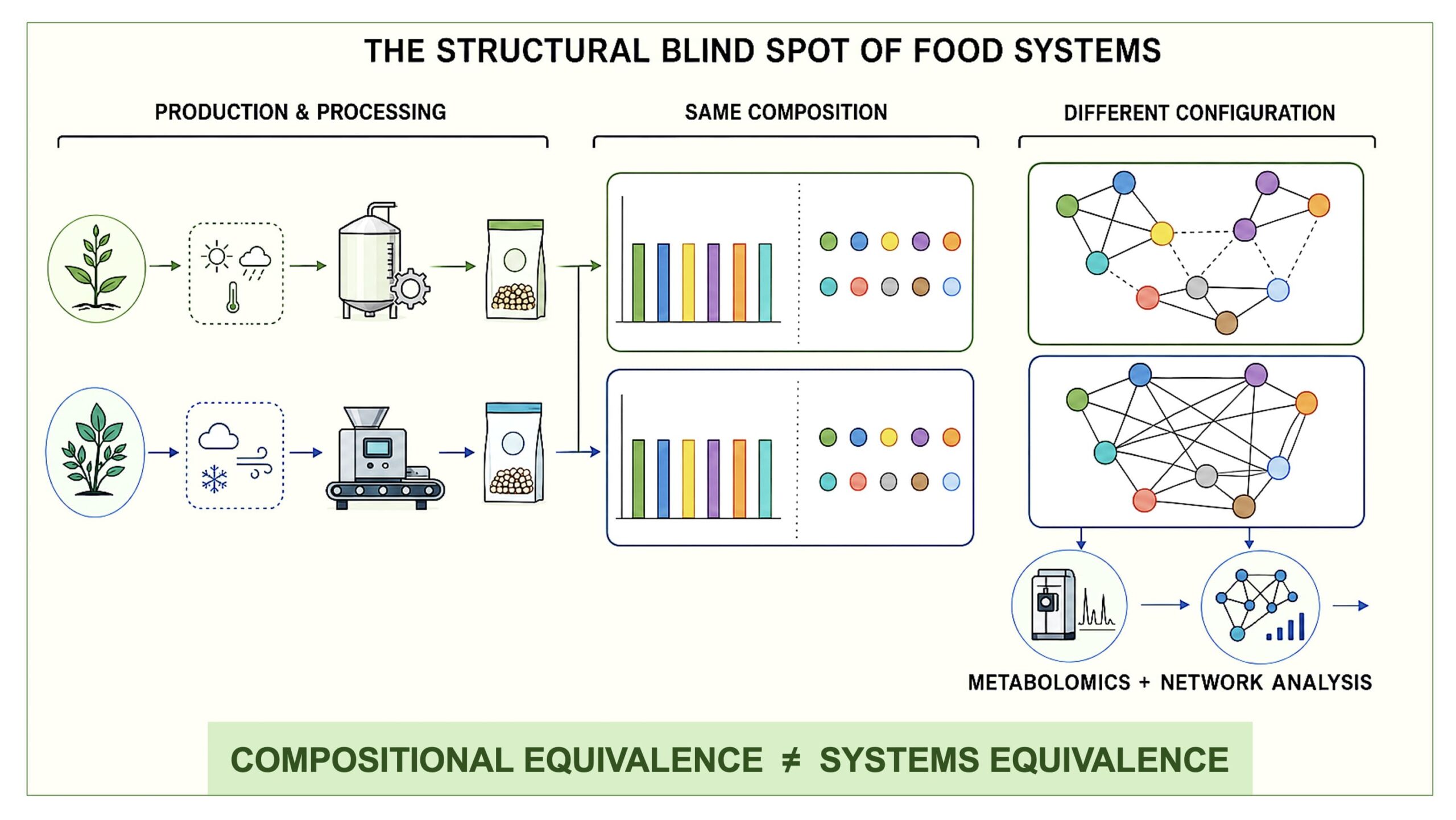
The structural blind spot of food systems
NOTE Food systems are commonly compared through concentrations of individual constituents. Yet deliberately matched production or processing populations may also differ in how metabolite abundances co-vary across independent experimental units, even when conventional compositional summaries are similar. We define biochemical configuration as the dependence structure among metabolites estimated within a prespecified sampling frame. This article distinguishes configuration from the biochemical…
-
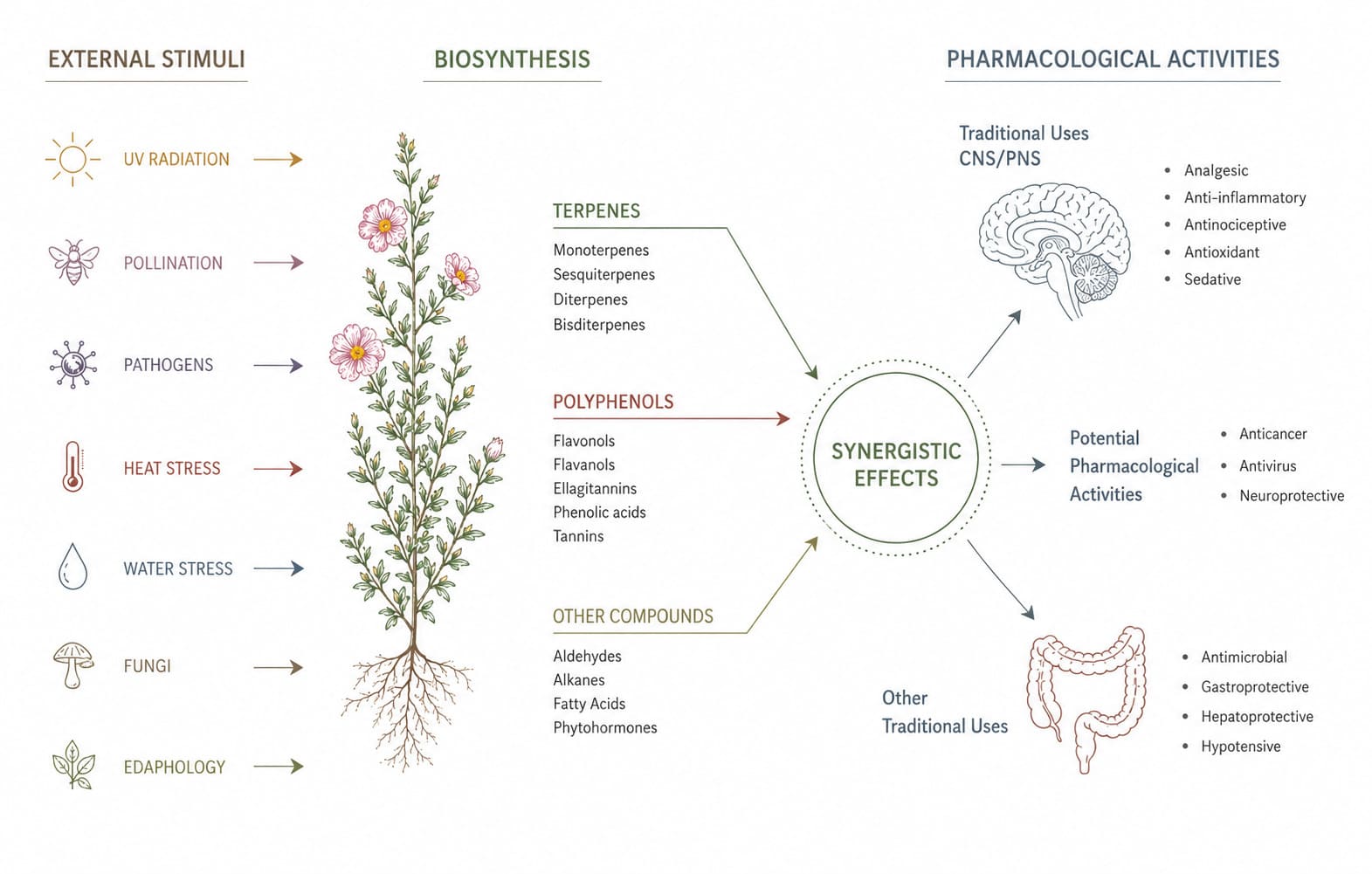
Towards an Evolutionary Framework for Neuroactive Phytopharmacology
NOTE Plant compounds such as caffeine, nicotine and morphine did not evolve as medicines, yet they can alter human perception, arousal and behaviour through identifiable biological targets. This Scientific Essay examines that apparent paradox without reducing it to either molecular affinity or presumed evolutionary adaptation. It proposes a relational framework connecting five analytically distinct levels: plant chemical ecology, evolutionarily conserved…