Research produces findings. Understanding begins with how we connect them.
Interstitium publishes interdisciplinary scientific essays and research commentaries that examine established findings, question familiar interpretations and develop new connections across biology, medicine, ecology and complex systems. Rather than presenting disciplines as separate territories, Interstitium explores what becomes visible between them and what may remain unnoticed within conventional forms of scientific publication.
Scientific Essay
Develops an evidence-based argument that connects disciplines, questions established assumptions and opens new directions for scientific thought.
Research Commentary
Examines published research, clarifies its implications and identifies unresolved questions, limitations or overlooked connections.
Response
Offers an invited scholarly reply to a commentary, extending, refining or challenging its interpretation.
Featured Publications
Selected Scientific Essays, Research Commentaries and Responses published by Interstitium.
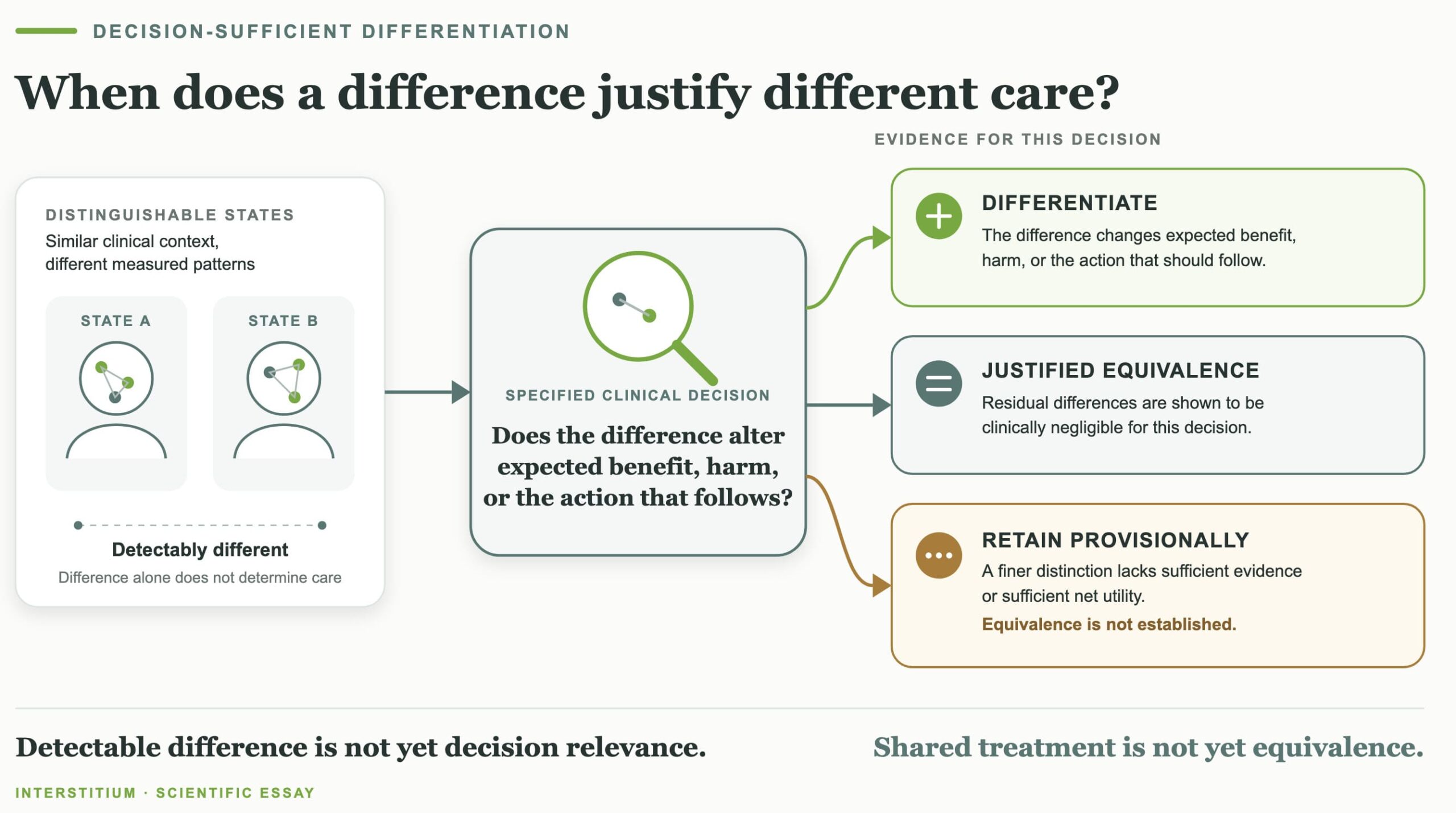
When May Medicine Treat Distinguishable States as Equivalent?
SCIENTIFIC ESSAY Toward Decision-Sufficient Differentiation in Precision Medicine Modern medicine can identify ever finer differences between patients, diseases and treatments. Yet not every detectable difference calls for different care. This…
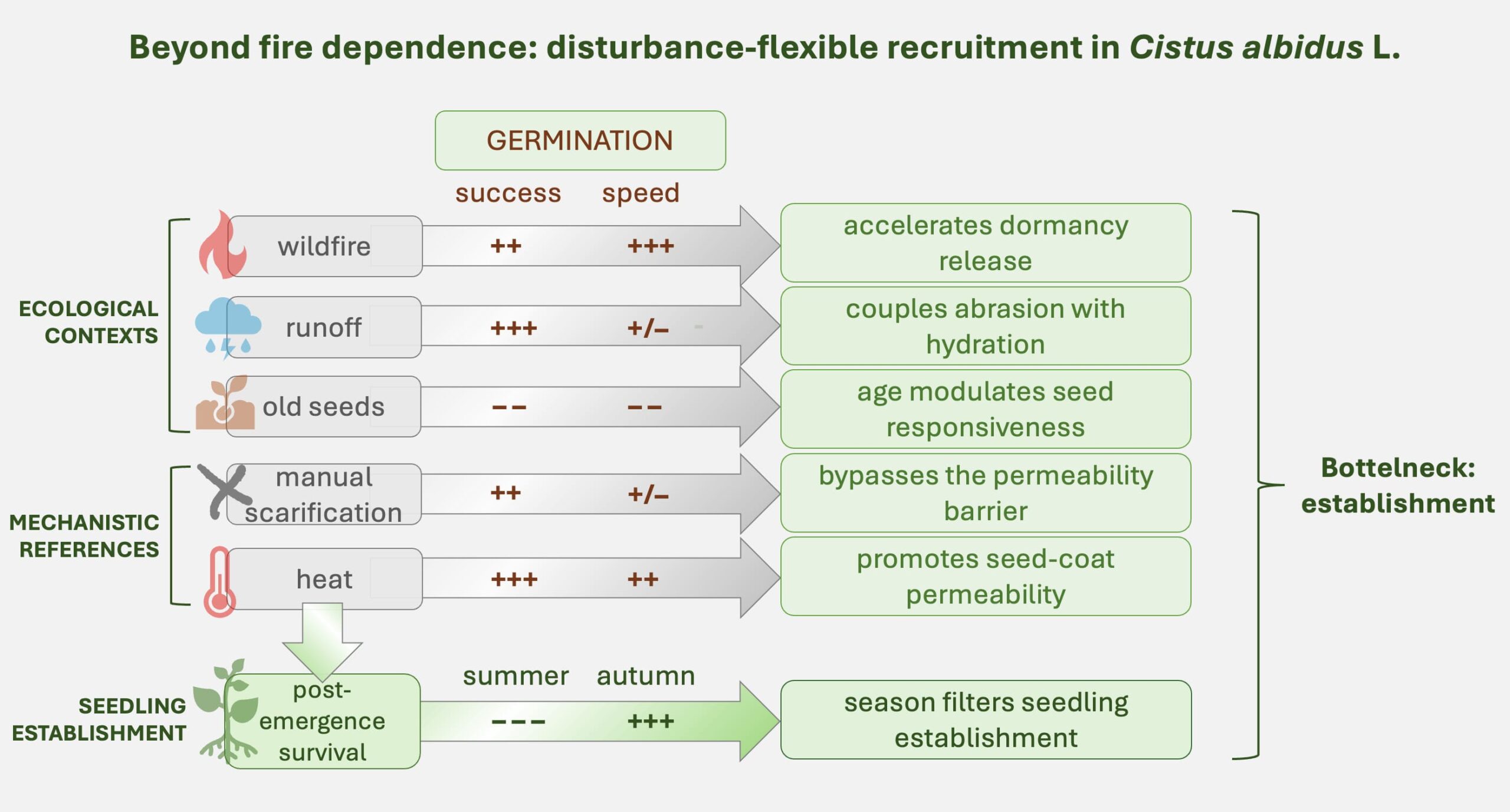
A Mediterranean Shrub Long Linked to Fire May Also Be Shaped by Runoff
RESEARCH COMMENTARY Cistus albidus L., a widespread shrub of the western Mediterranean, is commonly understood through its relationship with fire. Heat can break the physical dormancy imposed by its hard…
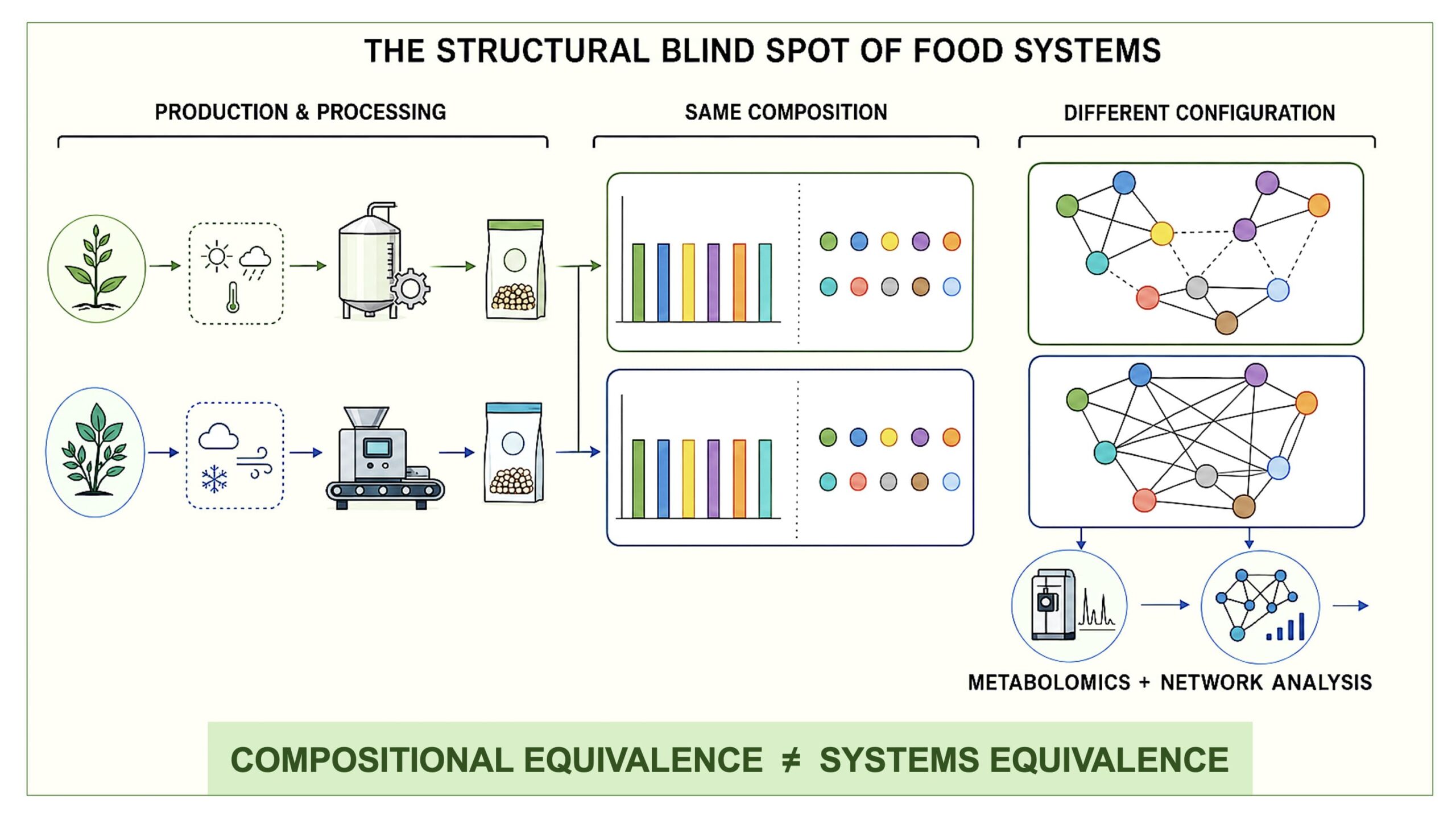
The structural blind spot of food systems
SCIENTIFIC ESSAY Food systems are commonly compared through concentrations of individual constituents. Yet deliberately matched production or processing populations may also differ in how metabolite abundances co-vary across independent experimental…
Areas of inquiry
Interstitium explores questions that do not remain within a single discipline. Its publications converge across five interconnected fields.

Systems Biology & Organisational Biology
How relations, networks and emergent organisation shape function across living systems.
Phytochemistry & Phytopharmacology
How plant chemistry becomes biologically meaningful through preparation, context and structural organisation.
Ecology & Environmental Organisation
How organisms, environments and ecological processes shape adaptation, regeneration and biological function.
Food Systems & Exposome
How food, environment and cumulative exposures interact across biological and societal systems.
Human–Plant Interactions
How plants and humans shape one another through medicine, culture, ecology and knowledge.
The Interstitium approach
Disciplines organise knowledge. They do not define the boundaries of living systems. Interstitium follows the relations that emerge when scientific findings are read across those boundaries.